



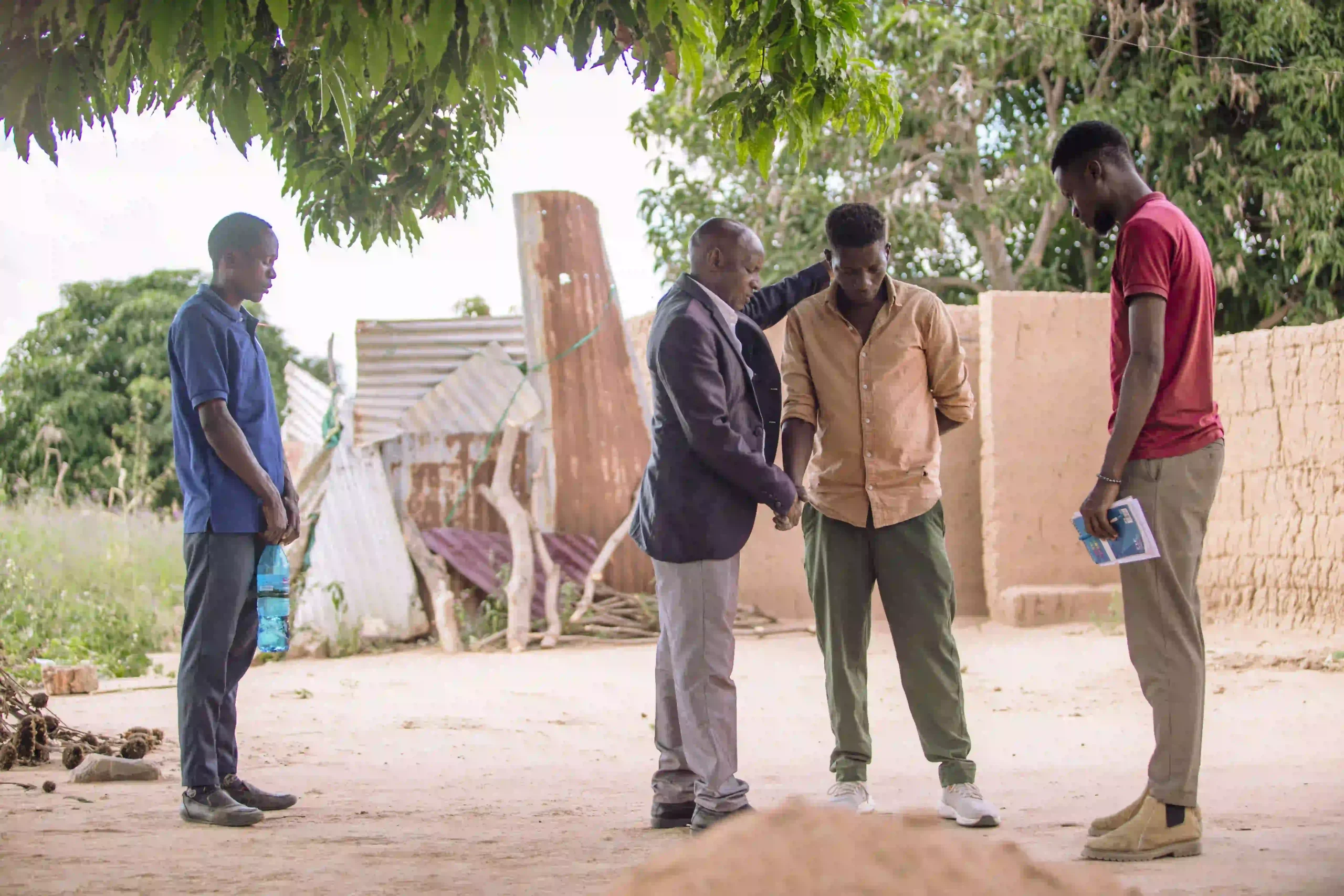
by Erin Ensinger
Rural Tanzanian pastors may possess only a middle-school education, but they think as profoundly as graduate students about their church culture. On one hand, they appreciate earlier pastors who depended entirely on the Holy Spirit because of their own limited resources. These pastors couldn’t turn to study Bibles and commentaries to prepare their sermons, so they used a simpler method.
“We sometimes opened the Bible at any passage and believed that whichever passage appeared was what God wanted us to preach,” Pastor Benjamin recalled.
Instead of strategies or seminars, a Spirit-dependent mindset also informed these pastors’ approach to evangelism.
“We believed we should simply go, and that the Holy Spirit would give us what to say,” Pastor Benjamin noted.
Yet Pastor Benjamin and others realize that depending on the Spirit doesn’t equal lack of preparation. They want to offer their churches more than a string of unrelated sermons with unconnected dots and unapplied truths. They worry that unless church members receive systematic Bible teaching, they will fall for lies. Some pastors deceive large crowds with sermons promising debt relief through prayer, but such unbiblical teaching can’t produce genuine spiritual transformation.
“Unstructured preaching can sound exciting, but it may prevent believers from developing a deep and balanced understanding of Scripture,” Pastor Fedrick affirmed. “People who do not know the Bible well can also become vulnerable to misleading teachings.”
A very practical need underlies these spiritual problems: many people, pastors included, can’t read and write well. Illiteracy doomed sermon preparation for earlier pastors who could only sign their names with a thumbprint. They developed incredible memories instead, remembering exactly what they wanted to say without notes and recalling entire sermons weeks later. Over time, pastors began to equate sermon preparation with freedom-stifling structure. Congregants worried their pastor was running out of ideas if he repeated the same topic several Sundays in a row.
Pastors prepare sermons more often now, yet even those who can write struggle with concepts like taking notes and creating an outline. Worse still, pastors in impoverished villages may not have access to the basic tools of writing—paper and pencil. These struggles trickle down to the congregation. Pastors encourage congregants to bring Bibles and notebooks to church, but some simply carry a notebook as part of their Sunday dress without writing down any meaningful information. New believers may receive a Bible without understanding how to use it. Some feel suspicious of unfamiliar Bible translations, worrying they are being misled.
“Many people do not have a strong culture of reading books. They may know how to read, but they are not accustomed to reading books consistently to develop their understanding,” Pastor Paschal observed. “We encourage our members to love reading just as we have learned to do. We have reached our current level because others helped us understand. We must now help other people in our communities.”
Pastor Paschal’s words reflect our heart and mission at ABH. We write small books full of simple language, vibrant storytelling, and spiritual truth to encourage struggling readers. We’re currently working on a book to help pastors with sermon writing, from heart preparation to study habits to notetaking and outlining. When we travel to Tanzania for conferences, we teach pastors and their wives Bible study skills that help them tackle any other book they want to read. We leave books with them so they can review the material and teach it to their congregations.
Pastor Paschal said ABH’s conferences have increased his desire to read and study the Bible. He reviews the conference training materials to deepen his own understanding and distributes them to his church leadership as well. Through Bible study, our pastors realized that sermon preparation and Spirit dependence can work together.
“Now with more knowledge, the Holy Spirit broadens our way of thinking as we prepare,” Pastor Benjamin explained. “The Spirit uses the knowledge we have as a tool to help us.”